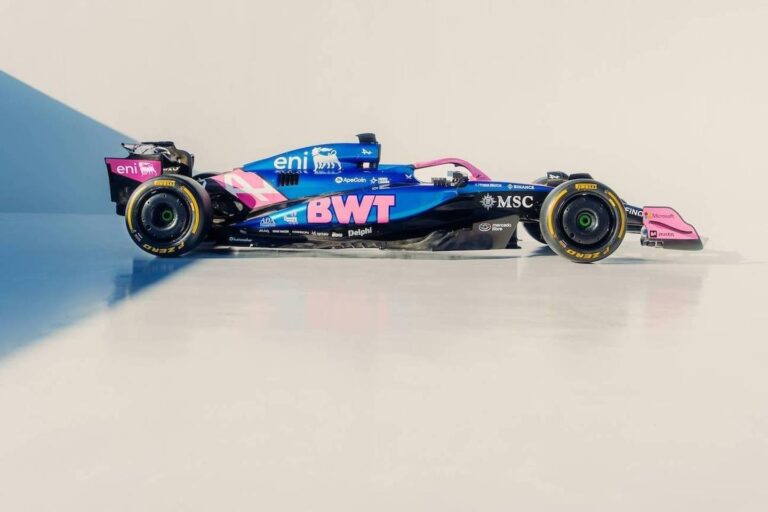
ATR rules limit how much wind tunnel and CFD testing each team can do — and they adjust based on how well you’re performing. The better you are, the less aero testing time you get.
What is aerodynamic testing?
Two main types:
- Wind tunnel testing — physical airflow tests with scale models
- CFD (Computational Fluid Dynamics) — digital airflow simulations
Both are crucial for developing the car’s aerodynamic performance.
How does ATR work?
Each team gets a percentage-based limit for testing time, based on their position in the Constructors’ Championship.
What are the current testing percentages?
| Constructors’ position | Wind tunnel / CFD allowance |
| 1st place | 70% |
| 2nd | 75% |
| 3rd | 80% |
| 4th | 85% |
| 5th | 90% |
| 6th | 95% |
| 7th | 100% |
| 8th | 105% |
| 9th | 110% |
| 10th | 115% |
Percentages are based on a baseline allocation (set by the FIA).
How often is it updated?
ATR limits are adjusted every six months:
- Once in January (based on final standings from previous year)
- Again in July (mid-season rebalancing)
What happens if a team breaks ATR rules?
They can face financial penalties, wind tunnel restrictions, or worse. (Example: Red Bull’s 2021 cost cap breach led to reduced ATR time in 2023.)
Why does F1 use ATR?
To close the performance gap. It gives struggling teams more development time — and challenges top teams to stay sharp with fewer resources.