Formula 1, in its infinite wisdom, decided the best way to fix the modern racing problem was to go back 40 years and try again.
So in 2022, the sport reintroduced ground effect — the very same concept it banned in 1983 for being too fast, too dangerous, and too spine-destroying.
Except now, it came with wind tunnels, simulation data, and 80-page technical directives.
Welcome to the new era of underfloor obsession, porpoising migraines, and cars that look like they were designed by IKEA engineers with a CFD subscription.
What Changed?
The 2022 rules were a massive aerodynamic reset, focused on one thing: closer racing.
The key updates:
- Venturi tunnels under the floor: big sculpted channels to create low pressure and suck the car to the ground.
- Simplified front and rear wings: fewer winglets, fewer vortices, fewer excuses.
- Over-wheel winglets and wheel covers: to manage airflow and look vaguely cyberpunk.
- 18-inch tyres with low-profile sidewalls: more data for engineers, less squish for drivers.
But the headline change was clear: ground effect is back.
No more relying just on wings to generate downforce — now the floor was king again.
Why It Happened:
Because the previous cars were aero monsters, and following one was like trying to dance behind a jet engine.
Turbulent air made overtaking difficult. F1 races turned into tyre-saving DRS trains. The FIA and Liberty Media knew something had to give — and they wanted better racing, not just faster laps.
So after years of analysis (shoutout to the [Overtaking Working Group: Sequel Edition]), they came up with a plan. Lower the wake, stabilize the airflow, and let cars follow each other without dying inside.
What Is Ground Effect Again?
Quick refresher:
- Air moves under the car through those shaped tunnels
- The air speeds up, pressure drops, car gets sucked down
- More grip = faster corners without needing massive wings
In theory: elegant.
In practice: porpoising.
Ah Yes, Porpoising
Within minutes of testing these new cars, teams realized they’d created not just grip — but a brand-new problem.
Porpoising: the car bounces violently at high speeds as the airflow under the floor stalls and reattaches in a rhythmic horror show.
It looked like the cars were headbanging down the straights. It felt like getting kicked in the spine by a techno kangaroo.
Mercedes — of all teams — were the worst hit.
Lewis Hamilton’s back was wrecked.
George Russell said it felt like a health hazard.
Toto Wolff said “this is unacceptable” about 400 times.
It was the dark art of ground effect re-learned in real time.
Who Nailed It?
- Red Bull. Oh, did they ever.
Adrian Newey — aka The Ground Effect Whisperer — built a car (RB18) that didn’t porpoise, had brilliant balance, and looked planted everywhere.
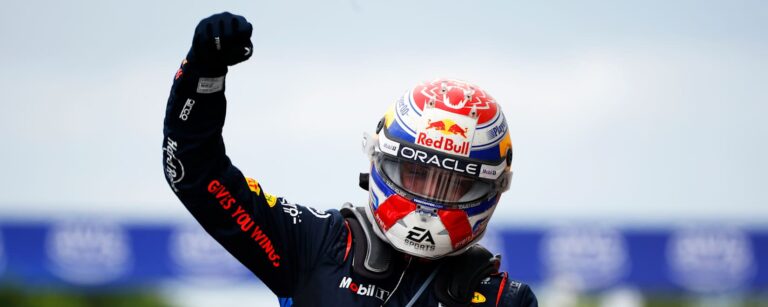
Max Verstappen walked the title. - Ferrari looked great at first. Charles Leclerc was in dreamland. And then… the strategy department remembered it existed.
- Mercedes? Absolutely lost. They spent the year trying to fix their bounce castle while praying for a rule tweak.
The Legacy:
The 2022 rules genuinely improved racing. Cars could follow more closely. Overtakes increased. Dirty air was less toxic.
It wasn’t perfect, and teams still found ways to stretch the limits (hello, flexible floors), but overall? It worked.
Ground effect had returned — tamer, more calculated, and slightly traumatized.
And the sport, once again, proved its favorite cycle:
Invent something clever → dominate with it → get banned → bring it back 40 years later → act surprised