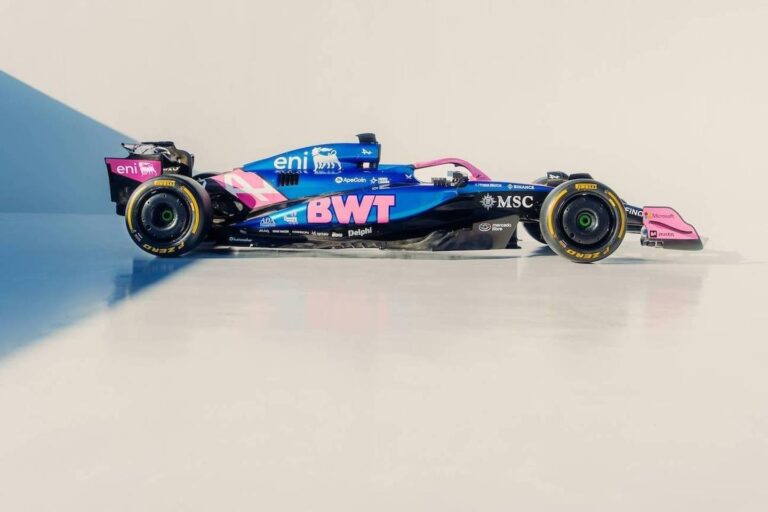
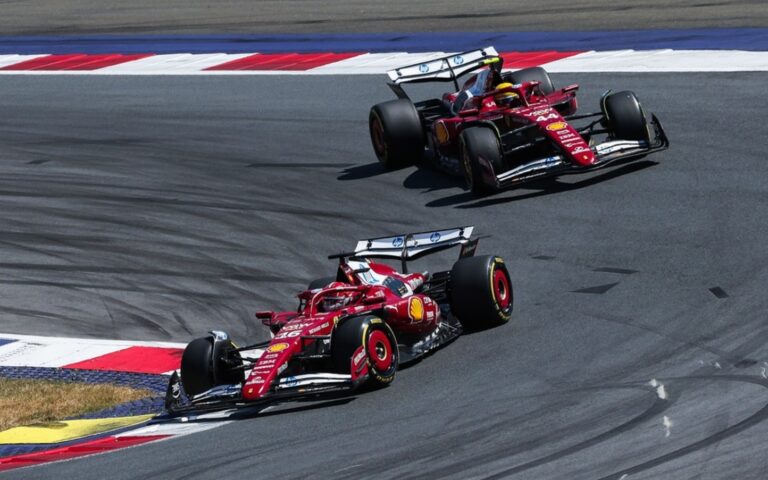
Carved into the man-made Île Notre-Dame in Montreal, the Circuit Gilles Villeneuve is Canada’s gift to chaos. Since its F1 debut in 1978—the same year local hero Gilles Villeneuve took a stormy maiden win—it’s been a place where speed, strategy, and street circuit spite collide. It’s not quite a permanent track, not quite a street circuit, and not remotely predictable.
The walls are close. The straights are long. The grip is questionable. It’s a high-speed riddle with a French accent.
And somewhere, quietly waiting, is the Wall of Champions, sharpening its appetite.
Biggest Moments at Montreal – Where Heroes Are Humbled
1978 – Gilles Arrives
The local kid wins the inaugural race on home soil, sending Canada into hysterics. A legend begins in snow and horsepower.
1999 – Wall of Champions Eats Everything
Damon Hill. Michael Schumacher. Jacques Villeneuve. Three world champions crash at the same wall. A legend is born—in concrete.
2011 – Button’s Day of Resurrection
Last to first. Six pit stops. A puncture. A collision with Hamilton. A red flag. And a last-lap pass on Vettel for the win. Arguably the greatest comeback drive in F1 history.
2011 – The Longest Grand Prix Ever
4 hours, 4 minutes. Rain. Delays. Spins. Ducks could’ve entered. The race redefined “survival” and ended with Button’s miracle. Twice as long, five times as entertaining.
2019 – Vettel’s Rage and Rearranged Signs
Sebastian leads but runs wide under pressure, rejoins dangerously, and gets a time penalty. He finishes first, is ranked second, and swaps the position boards in protest.
The Track’s Character – Style & Myth
Gilles Villeneuve is a hustler’s circuit. You don’t finesse it. You attack it. There’s no glory in coasting here—only lap time left on the table and walls ready to collect payment.
The lap starts fast and ends faster. Turns 1 and 2 demand bravery and traction. Turns 3 to 6 are deceptive flicks through shadowed barriers. Turns 8 and 9? Downshift, breathe, and hold your nerve over the curbs. And then comes the big finish.
Out of the hairpin, down the Casino Straight, flat out under trees and noise, and into the final chicane—a right-left dagger where races are decided. Get it wrong, and you meet the Wall of Champions, the most brutally honest piece of track furniture in F1.
The circuit demands traction, braking stability, and mechanical grip. You need a car that can dance on exit and dive on entry. It’s low-downforce, high-drama, and every mistake here costs real seconds—or real carbon.
There’s always the threat of rain, of debris, of random wildlife. And in Montreal, the safety car is a recurring character. Plans don’t survive. Only instinct does.
Outside the Track – Baguettes, Beers, and Bellowing Crowds
Montreal during Grand Prix week is a fever dream. The city explodes in music, fashion, food, and fuel. Crescent Street parties spill past midnight. The fans are loud, bilingual, and unapologetically opinionated.
The race feels like a summer festival with tire smoke. It’s personal. It’s passionate. And it’s perfectly, unapologetically Canadian: kind to visitors, savage to mistakes.
Circuit History & Stats – Villeneuve’s Spirit, Bottas’s Brake Dust
- Debut: 1978 (originally called Circuit Île Notre-Dame)
- Renamed: 1982, after the death of Gilles Villeneuve
- Length: 4.361 km
- Layout: Semi-permanent street circuit with long straights and tight chicanes
- Most Wins: Michael Schumacher (7), Lewis Hamilton (7)
- Most Poles: Lewis Hamilton (6)
- Notable Droughts: Off the calendar in 2009 (contract dispute), 2020–2021 (COVID)
- Wall of Champions Casualties: Hill, Schumacher, Villeneuve, Vettel, Hülkenberg, Stroll, and many more unworthy or unlucky
The track has evolved—but only slightly. It’s still the same gritty, hybrid beast it always was: half parkland, half predator.
Legacy – Where the Margin for Error Has a Name
Circuit Gilles Villeneuve is a contradiction: it’s relatively short, but full of risk. It’s visually serene, but spiritually violent. It is not refined. It is not forgiving. It is alive.
This is the track where great drivers meet their limits—and the walls remind them who they are.
To win here is to master patience, aggression, and the noise in your own head.
Lose focus, and the island swallows you.
Because in Montreal, the track doesn’t just bite.
It bites back with a name.