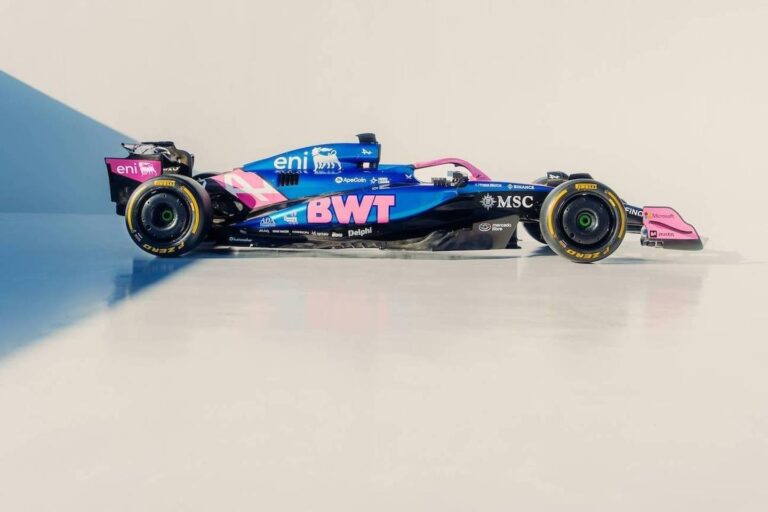
Forget rocket fuel or exotic blends — Formula 1 cars run on high-performance unleaded petrol. It’s not that different from what you’d put in a road car, just refined to insane levels of consistency and purity.
The current spec
- FIA rules mandate E10 fuel: 90% traditional gasoline + 10% ethanol.
- Energy density, volatility, and combustion quality are tightly regulated so no team can sneak in a “magic potion.”
- Despite being regulated, F1 fuel is tailored to each engine supplier, designed to squeeze every last fraction of efficiency and power.
What’s coming in 2026
- The sport will switch to 100% sustainable fuels — synthetic or bio-based, with zero net carbon.
- Still gasoline in chemistry, but produced without pulling fossil carbon out of the ground.
- This is one of F1’s flagship “green tech” projects, aimed at keeping internal combustion relevant in a low-carbon future.
The drivertalk take
F1 fuel isn’t alien goo — it’s just gasoline, perfected. Right now it’s 10% renewable, and soon it’ll be fully sustainable. The irony? It’ll probably still power a 1,000-hp monster that drinks 100 litres per race. But if F1 can make carbon-neutral petrol sexy, the rest of the auto industry might just follow.