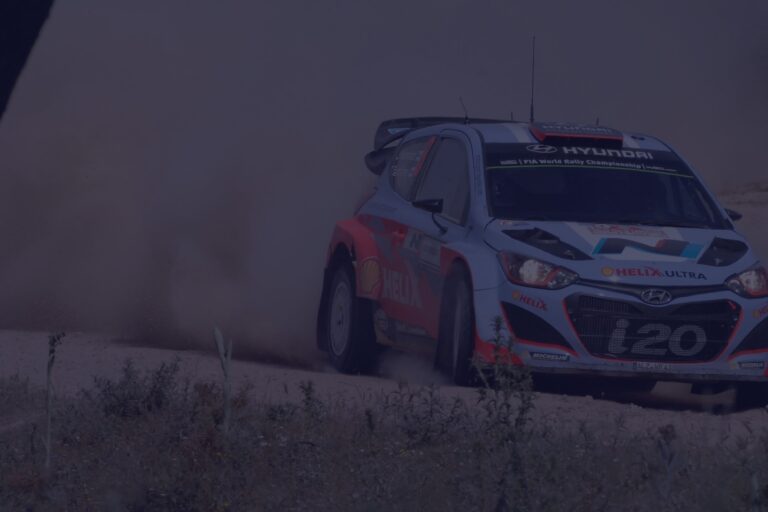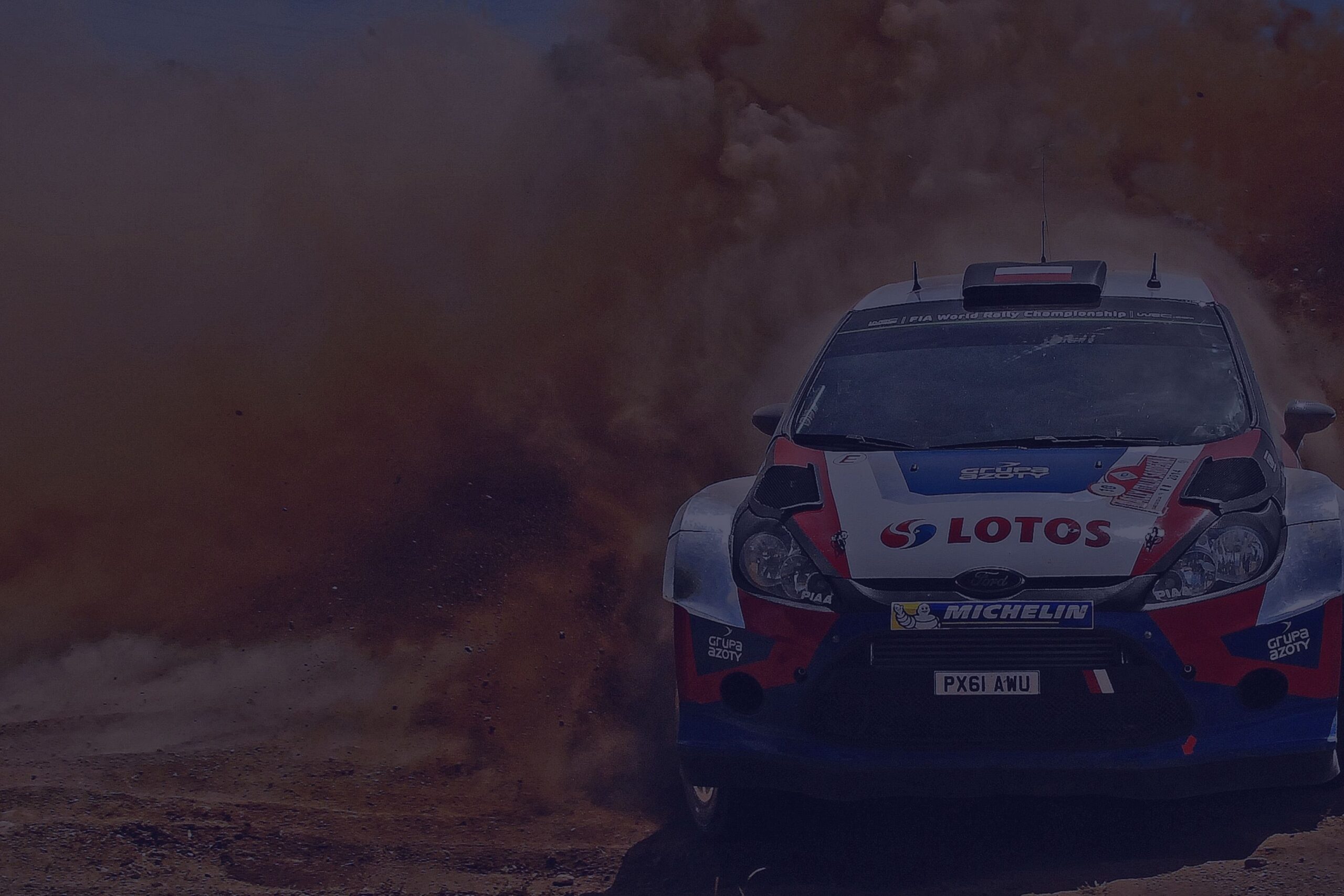

The flames are smaller now. The cars are heavier. There are energy recovery systems and green stripes on the livery. But don’t let the spec sheets fool you — World Rally is still savage at heart. It doesn’t matter if it’s turbo-lagged lunacy from the ’80s or a 500-horsepower hybrid in 2025. The soul of WRC never lived in the tech. It lived in the terror.
There’s a romantic lie we tell ourselves about the past.
That it was better because it was dangerous.
That Group B — that short, brutal era of 600-horsepower monsters flying through forests at 200 km/h with no ABS, no traction control, no mercy — was the last time rally felt real.
But if you believe that, you haven’t been watching.
Because while the cars have changed, the stakes haven’t.
Rally was never just about the machines.
It’s always been about what people are willing to do inside them.
Group B: Fire-Breathing, Fan-Dodging Chaos
Let’s get one thing straight: Group B was unhinged.
Lancia Deltas, Peugeot 205 T16s, Audi Quattros — all built like fighter jets strapped to shopping trolleys.
The stages were lined with human bodies.
The cars leapt into the air like they were trying to escape gravity.
It was thrilling. It was horrifying. It didn’t last.
Too many crashes. Too many funerals. Too much myth.
The FIA pulled the plug in 1986, and maybe — maybe — that was mercy.
But what those cars symbolized? That stayed.
WRC Evolved — But It Didn’t Go Soft
The 1990s gave us McRae vs. Sainz vs. Makinen.
2000s gave us Grönholm, Burns, Loeb.
The aero changed. The tech got smarter.
But the speed? Still mind-bending.
The roads? Still merciless.
The bravery? Still absolute.
Rallying didn’t clean up its act — it refined its madness.
It went from sledgehammer to scalpel.
Still deadly. Still divine.
2025: The Hybrids Are Here — and They Hit Like a Train
Now we’ve got Rally1.
Mild-hybrid turbo beasts with nearly 520 combined horsepower and launch control that feels like getting kicked by a bionic horse.
The cars weigh more. Sure.
But they’re faster from 0–100 than anything in WRC history.
They recover energy during braking.
They use it to deploy extra boost in short bursts.
It’s strategy. It’s software.
But make no mistake — it’s still savagery with seatbelts.
And they’re doing this on narrow roads, soaked in mud, covered in ice, barely wide enough for a compact car.
Hybrids or not, you still need guts of granite.
Because the Soul of Rally Was Never in the Horsepower
It was in the co-driver whispering “flat over crest” when your eyes say no.
It was in the privateer showing up in a second-hand Fiesta and sending it like he had nothing to lose.
It was in the fog. The rain. The silence between split times.
Group B may have defined the fear.
But every era since has defined the fight.
Final Split
So yeah — the flames don’t shoot as high now.
The crowds are behind fences.
The cars have hybrids and halos and software maps.
But watch a driver hit a Finnish jump at 180 and land sideways into a forest stage so narrow it looks like a death wish.
Listen to a co-driver rattle off 15 instructions in six seconds.
Feel the tension of a Monte Carlo night stage on black ice with a title on the line.
Tell me that’s lost its soul.
I dare you.
Because rally didn’t go soft.
It just evolved.
And the soul?
It’s still screaming — flat out in sixth.