
Formula 1 is more than just cars and drivers — it’s a billion-dollar entertainment machine. The sport’s revenue comes from multiple streams, all tied together by one thing: global eyeballs.
The big three money taps
- Broadcast rights
TV and streaming are the sport’s golden goose. Networks pay huge sums for exclusive rights, and platforms like F1 TV add a direct-to-consumer boost. For Liberty Media (F1’s owner), this is the single largest source of revenue. - Race hosting fees
Promoters (from Silverstone to Singapore) pay anywhere from $20–60 million per year for the privilege of holding a Grand Prix. Why? Because hosting boosts tourism, branding, and prestige. For governments, it’s often more about marketing the city than making the ticket sales work. - Sponsorships & advertising
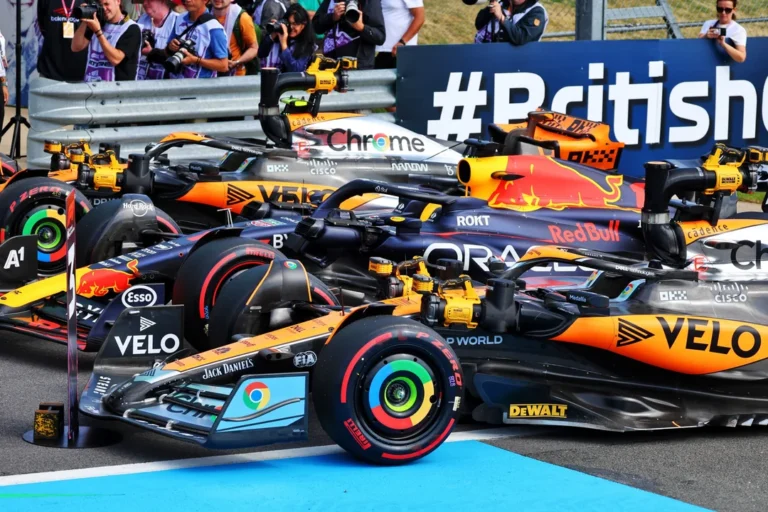
Think Rolex, Aramco, DHL, Crypto.com — these global deals are worth hundreds of millions. Add in team sponsors and trackside branding, and you’ve got a commercial bonanza.
The extras
- Ticket sales & hospitality — not the largest slice, but a steady one. Paddock Club seats alone go for thousands.
- Merch & licensing — shirts, caps, video games, documentaries (hello, Drive to Survive).
- Team entry fees — top teams pay tens of millions to register, based on their previous year’s points haul.
The drivertalk take
Formula 1 prints money because it’s not just a sport — it’s a global spectacle. Every race weekend is a rolling Super Bowl, paid for by governments, sponsors, and broadcasters hungry for the spotlight. The cars are fast, the politics are messy, and the cash flow is ruthless.