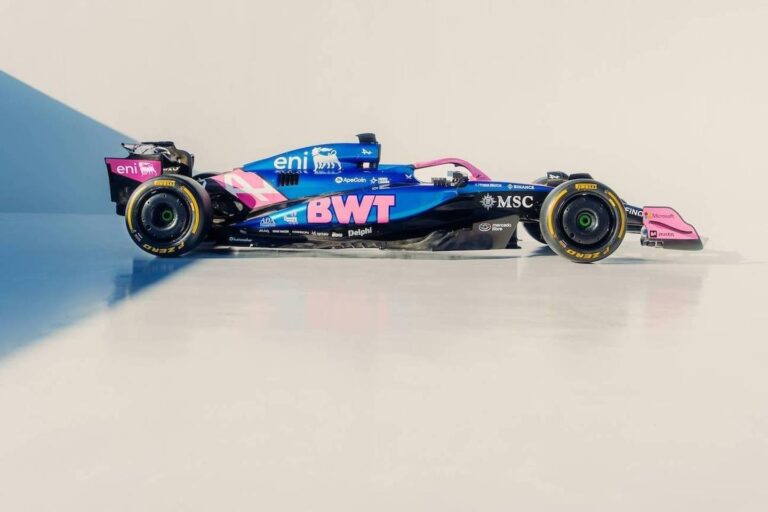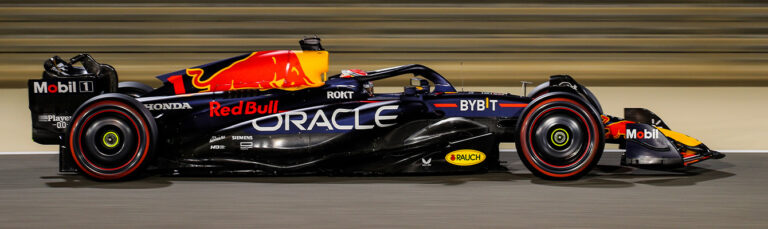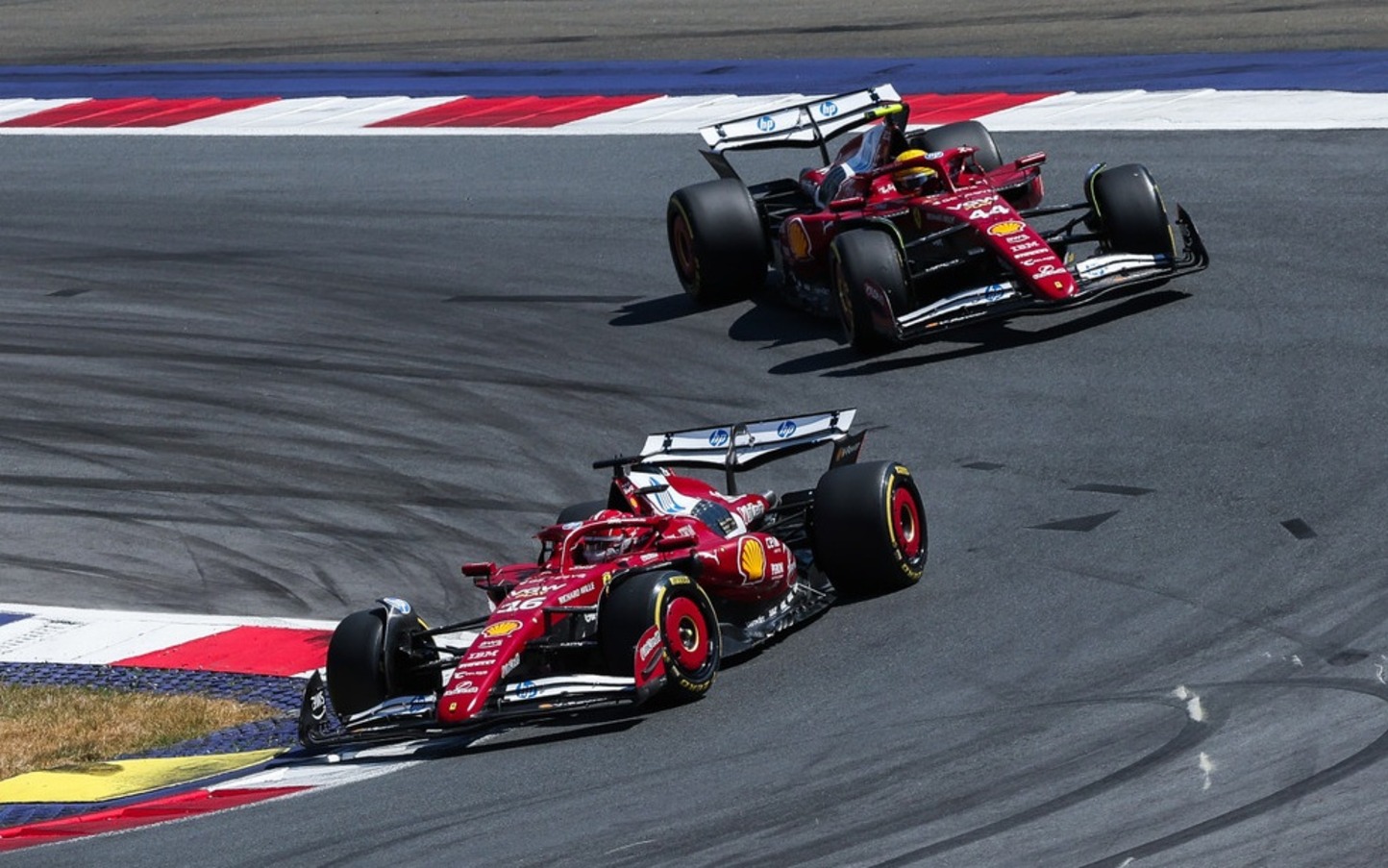

Formula 1 cars might look impossibly light and agile, but in today’s hybrid era they’re actually heavier than ever.
The official number (2025)
- Minimum weight (including the driver, but without fuel): 798 kg.
- Add a full tank of fuel (about 110 kg) and you’re looking at ~900 kg race start weight.
Why so heavy now?
- Hybrid systems: batteries, MGU-K, turbo, and cooling add serious bulk.
- Safety: the Halo device, stronger crash structures, and bigger survival cells all add kilos.
- Standardisation: certain FIA-mandated parts (like floor plank thickness, fuel systems) lock in extra weight.
Context check
- In the 1960s, F1 cars weighed around 500–600 kg.
- Even as late as the V10 era (early 2000s), cars were about 600–620 kg.
- The current hybrids are nearly 200 kg heavier than Schumacher’s Ferrari 2004 rocketship.
The drivertalk take
The weight creeps up every regulation cycle — and drivers hate it. Heavier cars are less nimble, harder on tyres, and trickier to muscle around tight circuits. But the flip side is safety: today’s F1 cars are the heaviest ever, but also the safest, fastest, and most advanced.