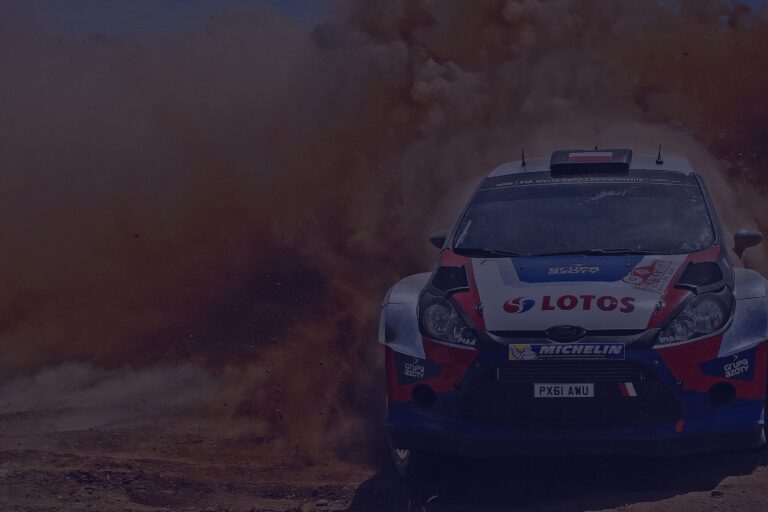
Let’s be clear: the Hypercar era isn’t about subtlety.
It’s about throwing down the gauntlet — with fire, noise, wings the size of garden furniture, and liveries designed to melt your retinas.
This is not just a new top class.
It’s a revolution, a high-speed arms race where factory giants and boutique lunatics collide at 330 km/h and call it “balance of performance.”
LMDh, LMH, Glickenhaus, Isotta Fraschini — what even are these names?
Exactly. Welcome to the madness.
From WEC Ghost Town to Manufacturer Royal Rumble
A few years ago, endurance racing’s top class was circling the drain.
Porsche had walked. Audi too. Toyota were racing themselves around the clock and still managing to lose at Le Mans in the most agonizing ways possible.
The spectacle? Gone.
The stakes? Dwindling.
The future? Bleak.
Then came the Hypercar rulebook — and suddenly the paddock filled up like someone had flipped a switch.
In 2024 alone, we’ve had:
- Ferrari returning after 50 years and immediately taking Le Mans like it was theirs all along.
- Porsche, back and loud and ready to punch anyone with an aero rake.
- Toyota, now forced to defend their throne instead of sleeping on it.
- Cadillac, Peugeot, and even BMW showing up like it’s a motorsport comic crossover.
- Alpine, Lamborghini, Acura — if you’re a brand with heritage or a grudge, you’re here.
And the best part?
They’re not running away from each other — they’re crashing into each other at high speed in the final hour of Le Mans.
This isn’t a revival.
It’s a damn resurrection.
These Cars Look Like Science Fiction and Sound Like War Crimes
The Hypercars look like prototypes designed by angry architects on acid.
Low, wide, aggressive. Less “wind tunnel art” and more “let’s see what happens if we give it 650 horsepower and no remorse.”
Unlike the hyper-efficient LMP1 machines, these cars are expressive. They snarl. They shake.
Ferrari’s 499P looks like it wants to seduce you and then eat your family.
Peugeot’s 9X8 showed up without a rear wing like it was trying to win on vibes alone.
Toyota’s GR010 is a tank with a jet engine.
The Cadillac V-Series.R? That’s not a race car — that’s jazz in carbon fiber.
And they’re fast.
But not perfect.
Which makes them glorious.
This Isn’t About Lap Times Anymore. It’s About Chaos Management.
If you came here expecting purist performance?
You missed the point.
Welcome to BoP — Balance of Performance.
The FIA and ACO now tweak power output, weight, and aero to level the playing field. It’s black magic, politics, and math in equal parts.
Sometimes it works.
Sometimes it sparks rage-fueled press releases at 2AM.
But it means anyone can win.
We’ve had multiple manufacturers battling at the front. Lead changes. Wheel-to-wheel at 3AM.
Mechanical failures that bring down giants.
Privateers taking podiums.
Factory teams throwing tantrums.
And through it all — you actually can’t guess the outcome.
Endurance racing, once ruled by dynasties, now runs on uncertainty.
It’s Not Just Le Mans — It’s Global
This revolution isn’t confined to Circuit de la Sarthe.
It’s spreading.
IMSA in America uses the LMDh spec — same class, different beasts.
So now, Ferrari and Cadillac are going toe-to-toe in France and Sebring.
Porsche and Acura are fighting in Florida.
BMW wants to win at Spa and Road Atlanta.
Everyone wants the double — Le Mans and Daytona.
We’ve entered an era where endurance is cool again, and global.
Fans can follow one championship and care.
Or follow all of them and lose their minds.
The Risks Are Real — and That’s the Point
Hypercars are aggressive, unpredictable, and constantly evolving.
Reliability is still a coin toss.
Setup windows are tight. Traffic is relentless.
Multiclass racing still means LMP2s being used as mobile chicanes and GT cars living in fear.
But that’s what makes it endurance.
It’s not about sprinting to the flag.
It’s about strategy, grit, teamwork, ego, risk, and not melting your brakes at Tertre Rouge in Hour 19.
These aren’t flawless robots.
They’re flawed monsters.
And that makes them — and the sport — more alive than ever.
Final Lap
The Hypercar era is chaotic. Overregulated. Politically volatile.
And absolutely, completely unmissable.
It’s turned WEC into a must-watch championship.
It’s made Le Mans feel dangerous again.
And it’s proved that if you give the world’s most stubborn manufacturers a reason to fight — they’ll build fire-breathing icons and try to destroy each other over 24 hours.
This is not nostalgia.
This is evolution by combustion.
And the best part?
We’re only getting started.