
Forget the old screaming V10s and V12s — today’s Formula 1 power units are hybrids, part rocket science, part battery pack, and all about efficiency squeezed into speed.
The current formula (since 2014)
- 1.6-litre V6 turbo-hybrid engines.
- Turbocharged internal combustion engine (ICE) paired with two electric motor systems:
- MGU-H — recovers energy from exhaust gases (being phased out in 2026).
- MGU-K — recovers energy from braking.
- Combined output: around 1,000 horsepower.
- Rev limit: 15,000 rpm, though most teams run closer to 12,000 for efficiency.
Who builds them
As of 2025, F1 has four engine suppliers:
- Mercedes
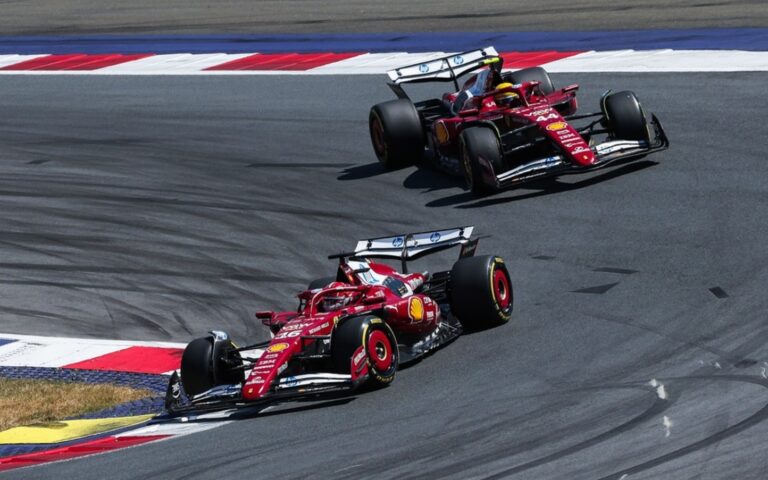
- Ferrari
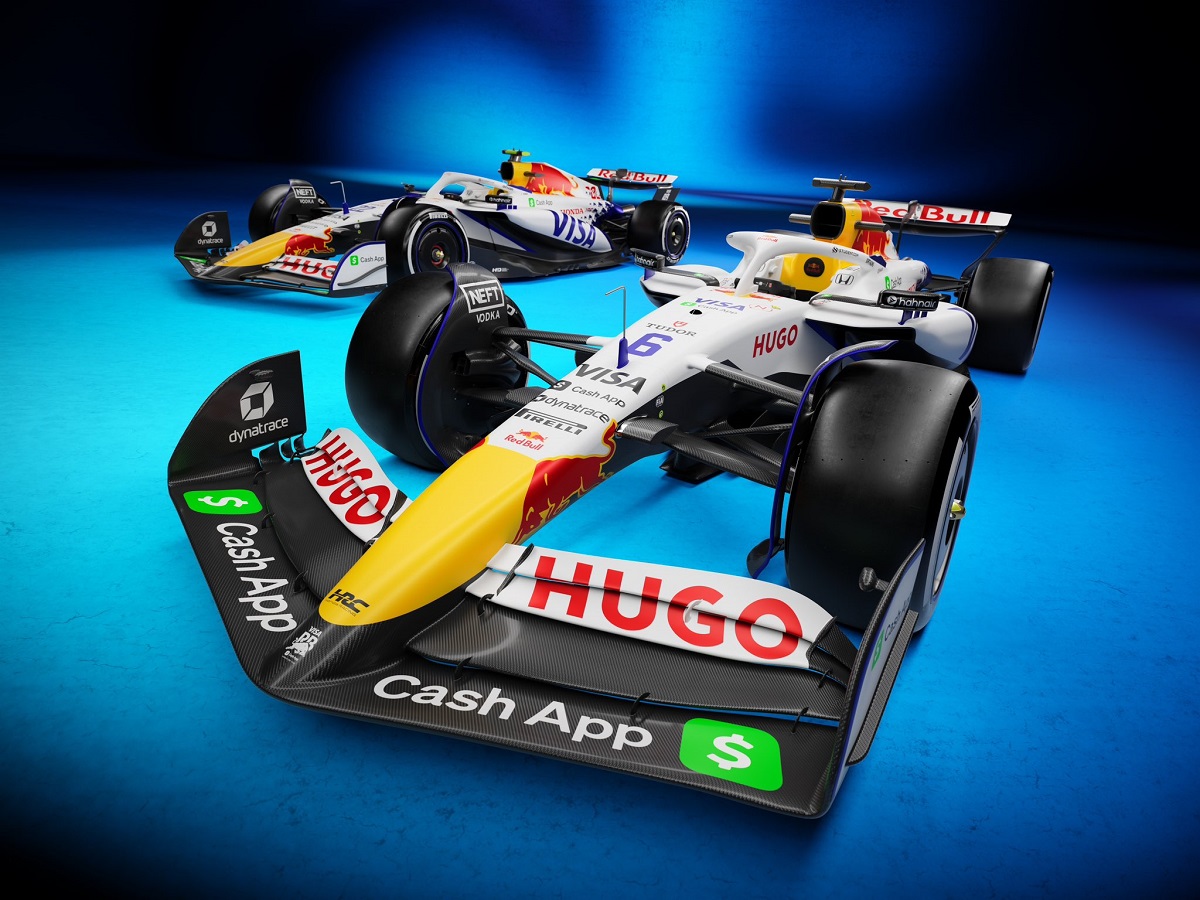
- Honda (Red Bull Powertrains)
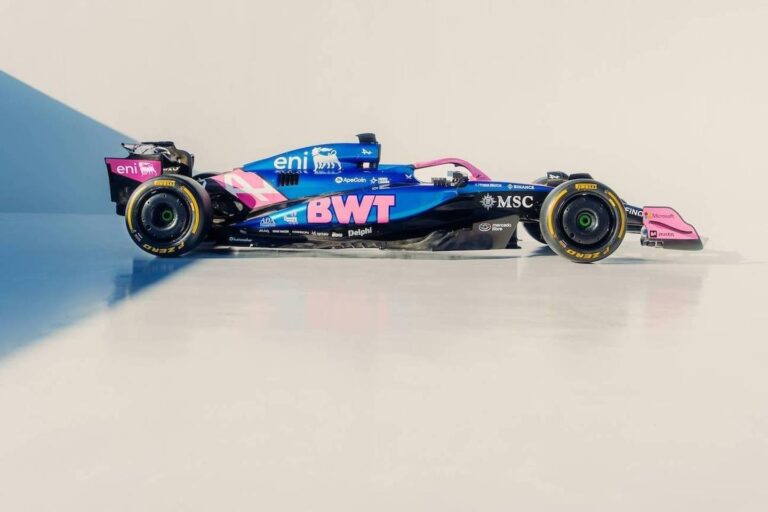
- Renault (Alpine)
What’s next?
In 2026, new power unit rules arrive:
- MGU-H dropped completely.
- Even more power from electric deployment (50/50 split between ICE and electric).
- 100% sustainable fuels mandated.
- New manufacturers joining: Audi (2026), Cadillac (2026), and Ford (with Red Bull).
The drivertalk take
The engines aren’t just engines anymore — they’re power units, half petrol, half battery, all speed. They may not scream like the V10s, but they’re faster, more complex, and greener than anything before. And when the 2026 regs hit, they’ll get even wilder.